|
On the brink of Tel Aviv 100th anniversary, it is becoming one of the most interesting and attractive cities for tourism in the world |
|
|
On the brink of Tel Aviv 100th anniversary, it is becoming one of the most interesting and attractive cities for tourism in the world
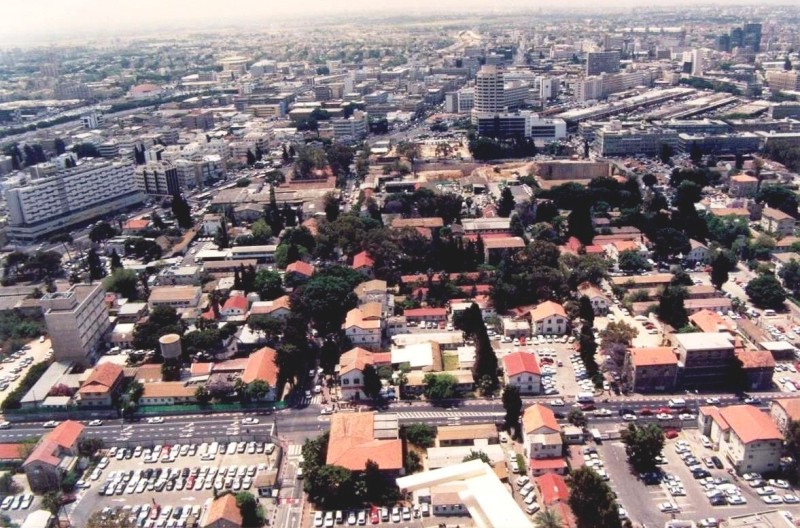
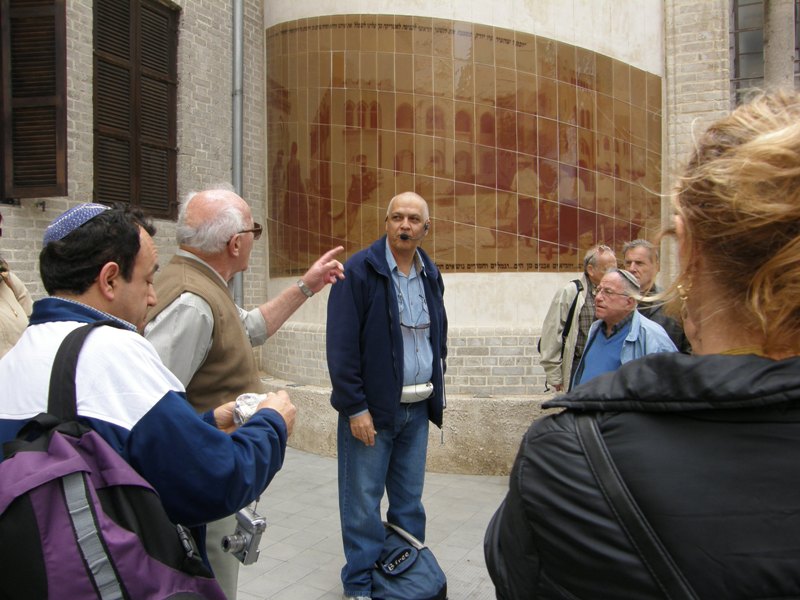
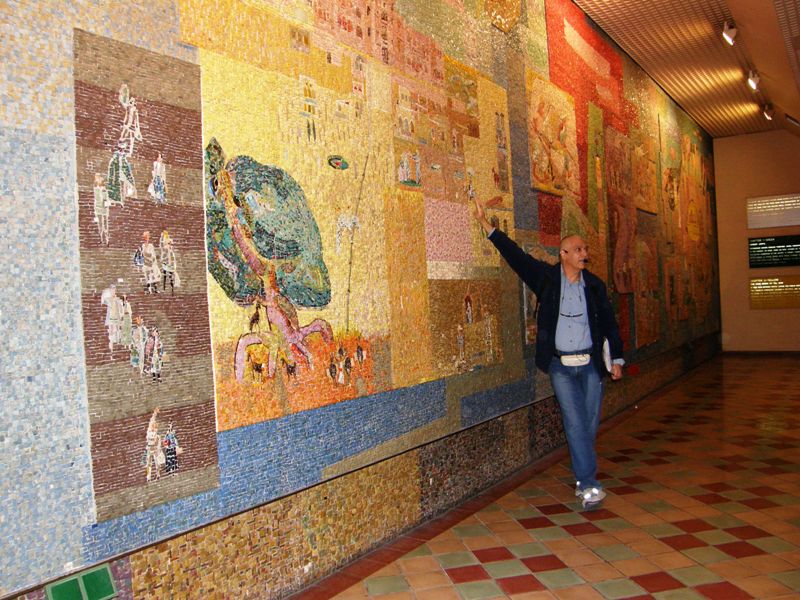
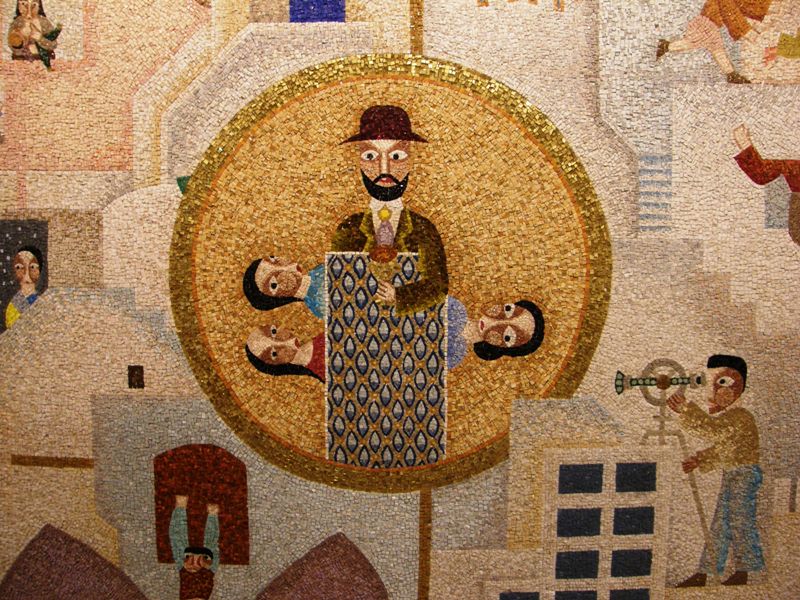
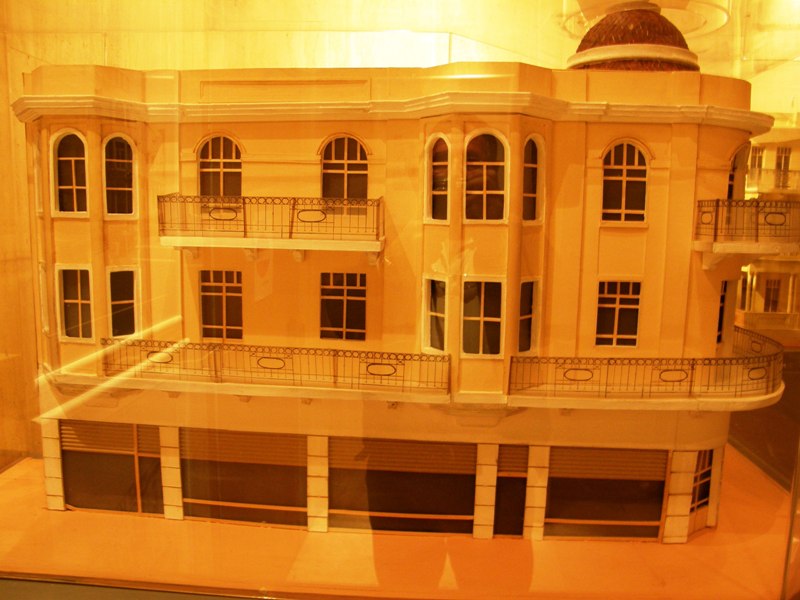
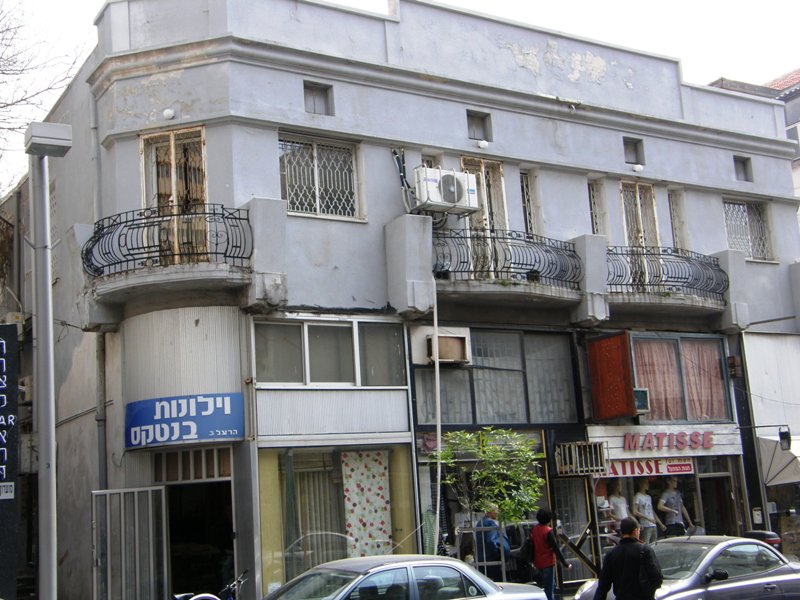
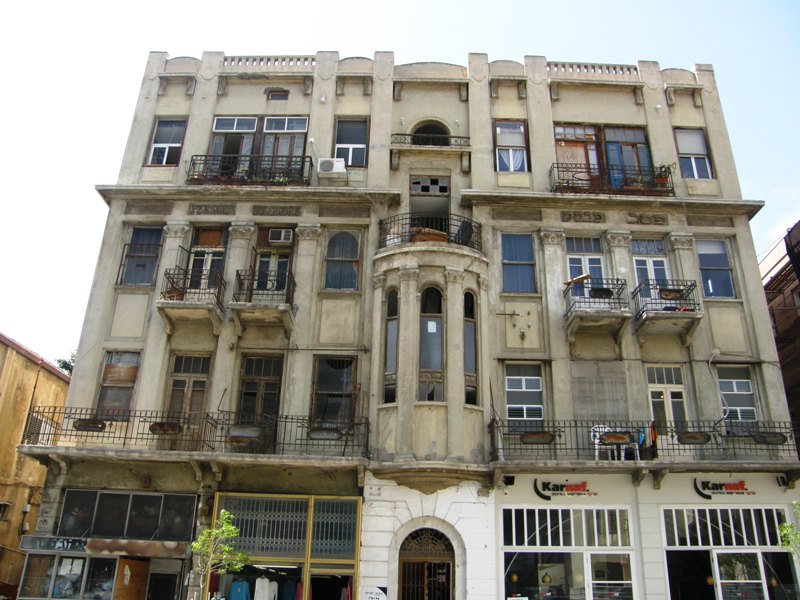
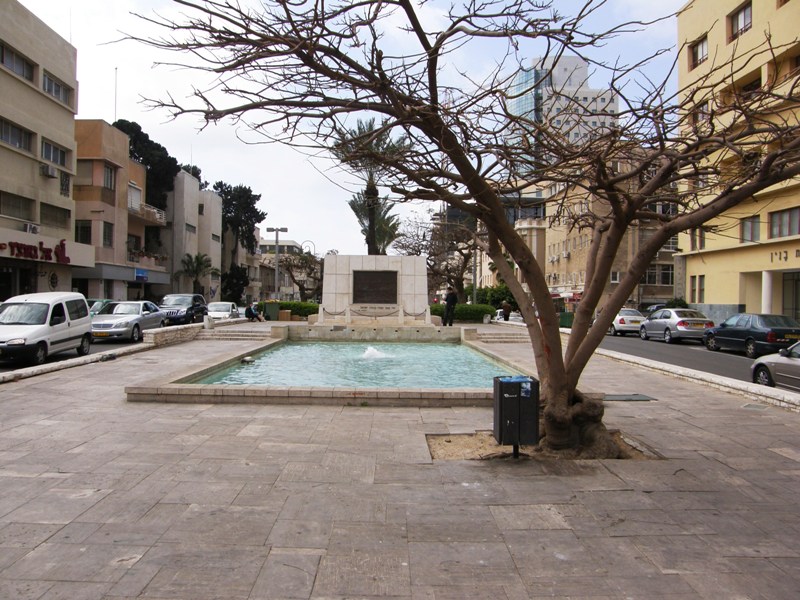
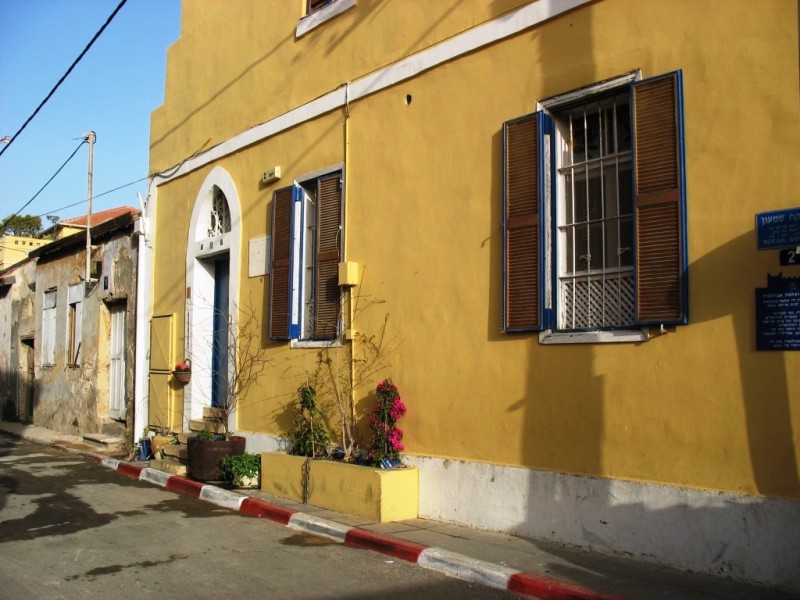
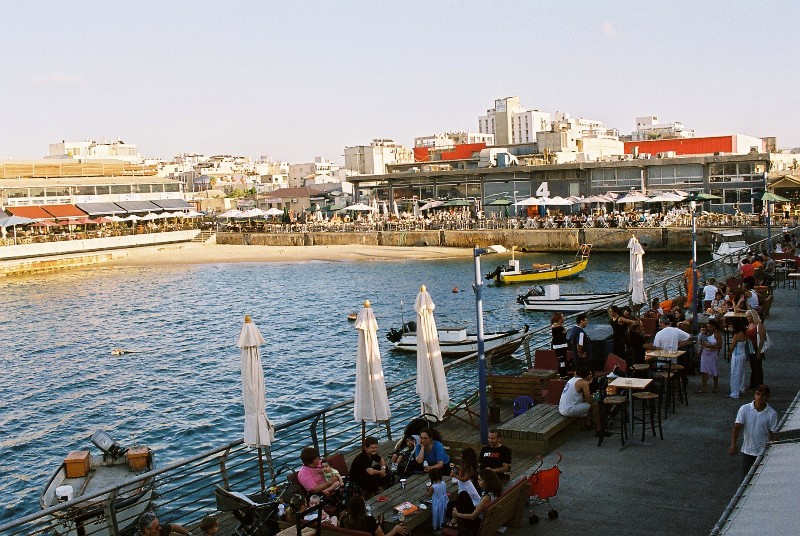
Thousands of tourists fill its hotels on the shores of the Mediterranean, many tourists tour the streets of the "white city" to get to know the Bauhaus style, preserved in the city's unique architecture, and youngsters from around the globe come to fit into this vibrant "city that never stops" pastime "scene". Tel Aviv is unique not only because of its tourism gems, but also because it is the first Hebrew city in modern times. This fact is an additional interest to historians, architects, scholars and various researchers. This is added to the interests of a large international business community, which finds a broad anchor for its activities in the city. Thanks to Akiva Arye Weiss The city of Tel Aviv is actually the realization of one man's vision. The man, Akiva Arye Weiss, was affected by the Zionist ideas of Theodor Herzl and decided to realize the idea of settling in Israel himself. He left his home in Łódź, Poland, and reached the Beirut port at the summer of 1904. From there, he made his way to Jaffa, and after he was impressed with what he saw and met many of the heads of the settlers, he returned to Łódź to prepare for the significant change in his life. Two years later he left for the Promised Land again, this time along with his family. In his youth, Akiva Arye Weiss was interested in architecture, and has also studied this field for several years. When he reached Israel for the second time in 1906 he already brought with him the vision of building the first Hebrew city on the shores of the Mediterranean. He published his vision in a journal called "Yeshurun", and also founded the "Ahuzat Bayit" society, through which Weiss raised funds and developed the idea of building a new city. In the intermediate days of Passover of the year 1909, a large audience stood on the shores north of Jaffa. Among the gathered people were those that came to participate in the raffle held by "Ahuzat Bayit" for the first plots planned to be built in Tel Aviv. Several months later, the cornerstone for some of the buildings was laid, including the building for the Herzliya Hebrew High School. A year after the gathering, the first 60 houses already stood in the first Hebrew city. From then on it was a remarkable journey that combined the realization of the Zionist idea and modern architectural planning, building public houses and starting a new life for many of those that reached Israel's shores. Today, one can tour the first neighborhoods and enjoy their beauty, be impressed by the unique architecture, hear stories of the city's founders and watch the remarkable development of the streets during the century that has passed since the house raffle at the Tel Aviv beach. "Israel's New York" Our tour begins near the home of the visionary and founder Akiva Arye Weiss at the corner of Herzl and Ahad Ha'am streets. This tour goes to the roots of the city's settlement and enables a close acquaintance with the stories of author Nahum Gutman, documenting his childhood and life in Tel Aviv of those days. On the western side of the house one is welcomed by a line from the writings of Akiva Arye Weiss, summarizing his entire vision: "Like the city of New York signifies the main gateway to America so we have to improve our city so that one day it will become Israel's New York." The Herzliya Hebrew High School was built next door to Weiss's house. It was the first Hebrew school, and was one of the approximately 60 characterizing symbols of Tel Aviv. In 1962, the school was moved to its new location, and Israel's first skyscraper, the Shalom Meir Tower, was built in its stead. It was built for commercial use, but it also preserves the history of the place. Different models, artworks and exhibitions documenting the story of Tel Aviv are placed in its lobbies and corridors. Stories of Mosaics In the main lobby on the entrance floor is a mosaic wall, made by the artist-writer Nahum Gutman, and built by artists from Verona, Italy. This is one of the world's largest mosaic walls, and it shows four chapters that describe the city of Jaffa before Tel Aviv was founded, the houses in the new city in the sand dunes and its development in the following years. The mosaic contains over a million small stones and pieces of glass, and each chapter in Tel Aviv's history appears in a different shade. At the center of the lobby, small models of the Herzliya Hebrew High School and of the houses of the first neighborhood in "Little Tel Aviv" are located. On the eastern wall is another mosaic, made by artist David Sharir. This mosaic describes the relationship between the cities of Jaffa and Tel Aviv, who were later united into a single city. With a heading of "Tel Aviv-Jaffa, the Second Generation" Sharir tells of the historical, geographical and human link between the cities joined together. The background of the mosaic shows lines and backgrounds of scaffoldings, which symbolize the building of the city. In another corner of the lobby stands Shimon Korbin's photo exhibition. This man documented the city of Tel Aviv between 1919 and 1936. After this artist's death, the photos were discovered. He died alone in his house in one of the nearby streets. A World Heritage Center On the first floor one may tour exhibitions and different models, including the exhibition "The Dream Homes", showing models of houses designed in the Eclectic architectural style designed in the 1920's and 1930's by the city's first engineer, architect Yehuda Magidovitch. Another exhibition displays the "Bauhaus" style, which turned Tel Aviv into a UNESCO World Heritage Site. Here, one can view photos of the "White City" and get an impression of the unique building style before heading out for a tour of the city's streets, which still preserve this unique style. The Bauhaus style was first created in Germany, and was brought to Tel Aviv during the 1930's. Jewish architects who studied at the "Bauhaus" architecture and design school are the ones that brought it to the country-in-the-making, after being affected by the unique style in this institute. This style has affected generations of planners and designers immensely. Today, Tel Aviv is renowned as a city that preserves many houses built in this style. At the exit of the "Shalom Meir Tower" there are several houses that display the building styles of those days. Neighboring Akiva Arye Weiss's house, across Herzl Street, stands the home of Nahum Gutman, with its balconies that also display a unique historical style. Further down Herzl Street there are additional houses with facades that have been preserved with all their beauty, despite their age. The tour of the street takes one on a journey though time, including a meeting with the remains of the Turkish railway which left Jaffa to Jerusalem during the last years of the 18th century. It crossed Herzl Street from the founding of the city until the 1960's. The Story of the Founding of Israel Rothschild Boulevard, which branches off Herzl Street, invites one to observe a row of houses that combine the Eclectic style with "Bauhaus" style. This tour is like one inside a picture, in an unusual cultural atmosphere, while observing the processes the city went through from those days until today. Many restaurants and coffee shop are scattered along the boulevard, inviting one to sit and enjoy the views in every direction. One of the houses along the boulevard tells the story of the founding of Israel. This is the house of Meir Dizengoff, Tel Aviv's first mayor, which currently houses the Israel Bible Museum. In this house, David Ben Guryon declared the founding of the State of Israel on May 15th 1948. Across the house, at the center of the boulevard, stands a monument commemorating the builders of the city, and next to it - a water fountain. The Reality exceeds all Visions Additional tourist routes towards Tel Aviv take one to the "Neve Tzedek" neighborhood which borders Jaffa. Some of the neighborhood houses were built in 1887, even before the declaration for the building of the first Hebrew city was made. Later, the neighborhood was a kernel for the development of the city's first houses. The tour route includes observing and visiting houses that were used as residence for some of the famous people in the urban history of Tel Aviv and Israel. The house of Aharon Chelouche, one of the leaders of the Sephardic Jews and the founder of the neighborhood, the home of author and Nobel Prize winner Shmuel Yosef Agnon, as well as the houses of some of the well-known modern Israeli authors. One may visit the Suzanne Dellal art center, walk through the narrow alleys and feel the unique atmosphere of the place. Those wishing to connect the historical routes with modern innovations can continue from here to the beach promenade, connecting ancient Jaffa with the city's old port area. In recent years, the port area has become a lively cultural and entertainment center. One can dine in one of the pier's restaurants, visit galleries and enter one of the occasional evening performances. Not far from the port is the Yarkon Park, offering routes for a family outing, diverse sporting grounds and resting areas along wide, green lawns. All of these, besides the large cultural centers, the abundant museums, the beach discotheques, the endless supply of restaurants and modern shopping centers all assert the slogan "the City that Never Stops", which accompanies today's Tel Aviv and turns life in this city to a reality that exceeds the visions of its founders. To watch videos of Tel Aviv:
|
|