|
The Place where the First Flag was Raised |
|
|
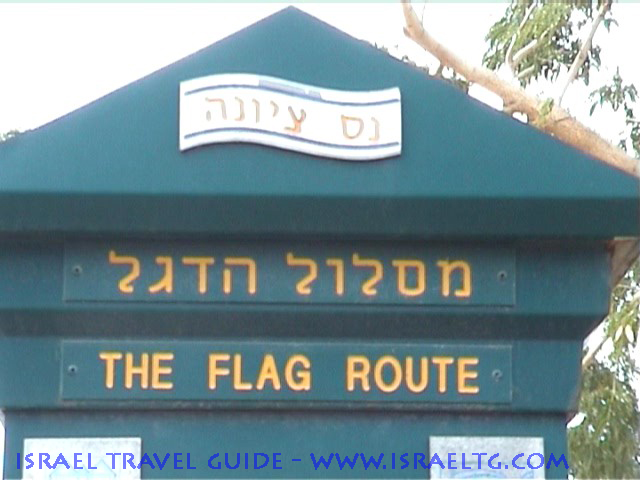
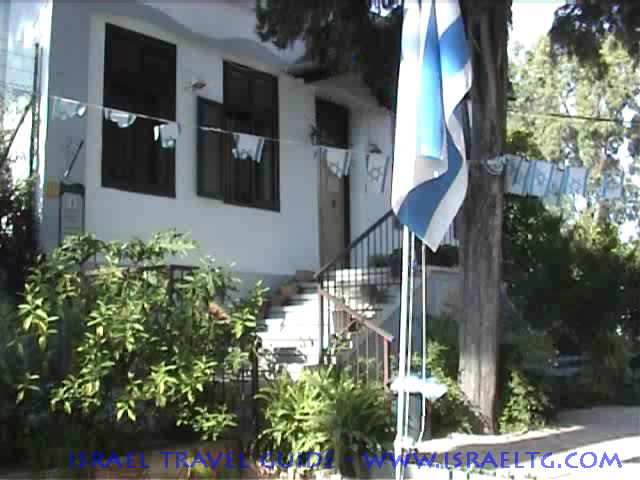
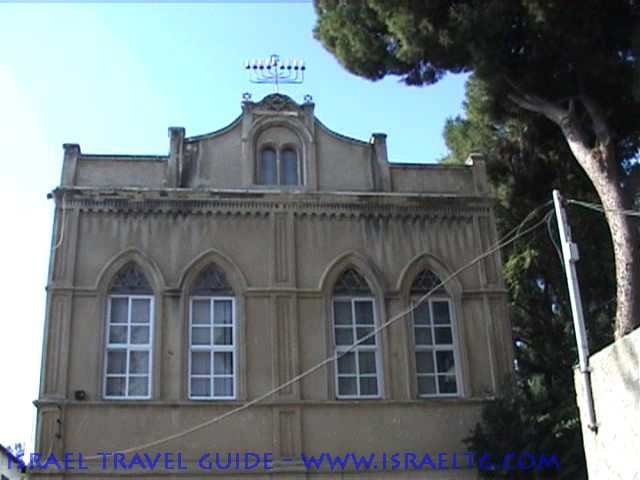
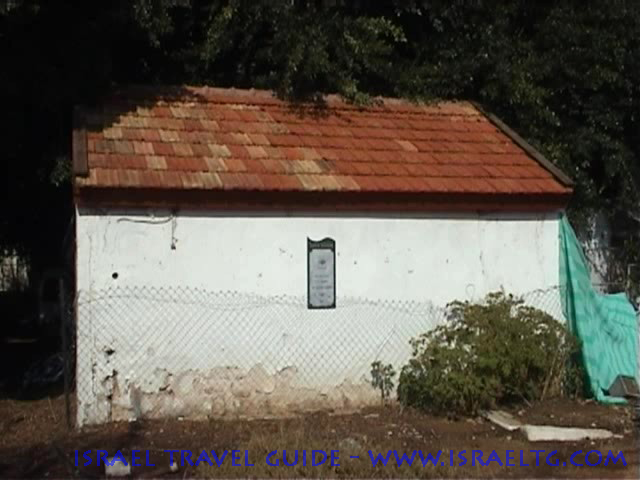
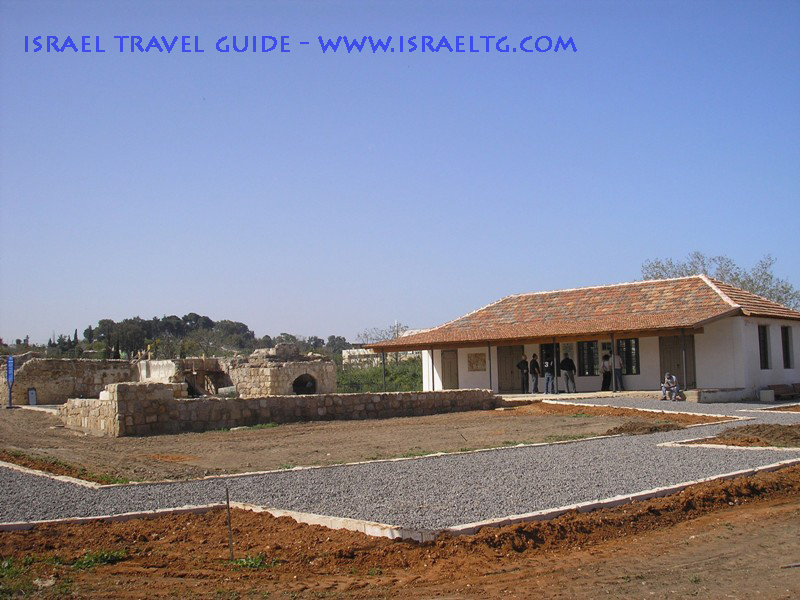
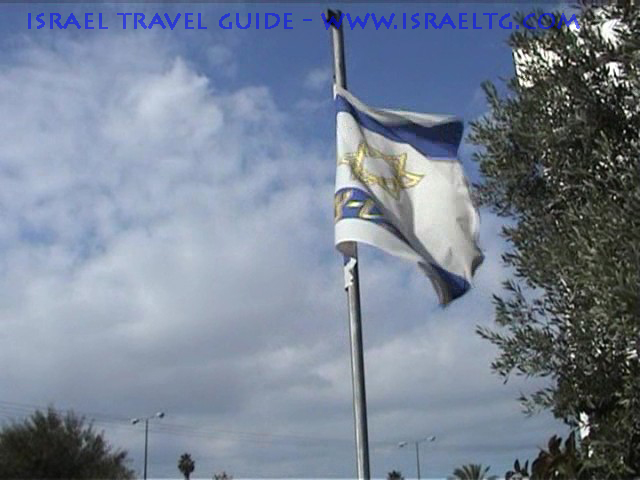
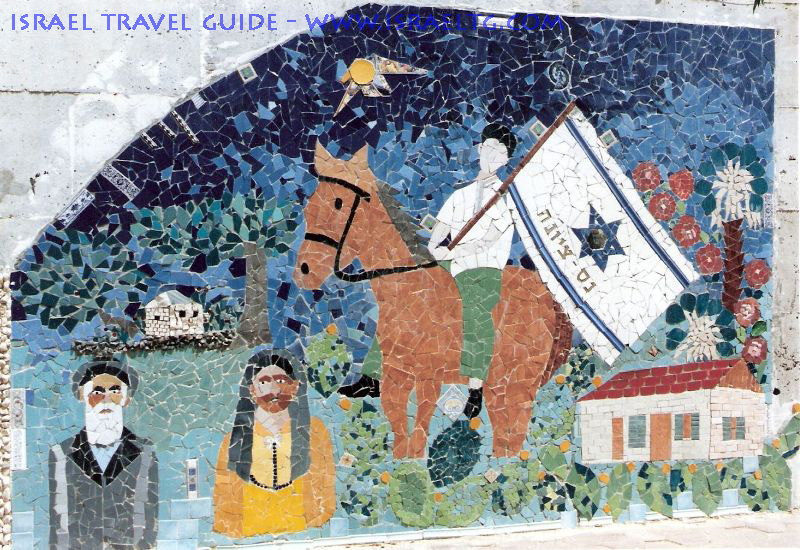
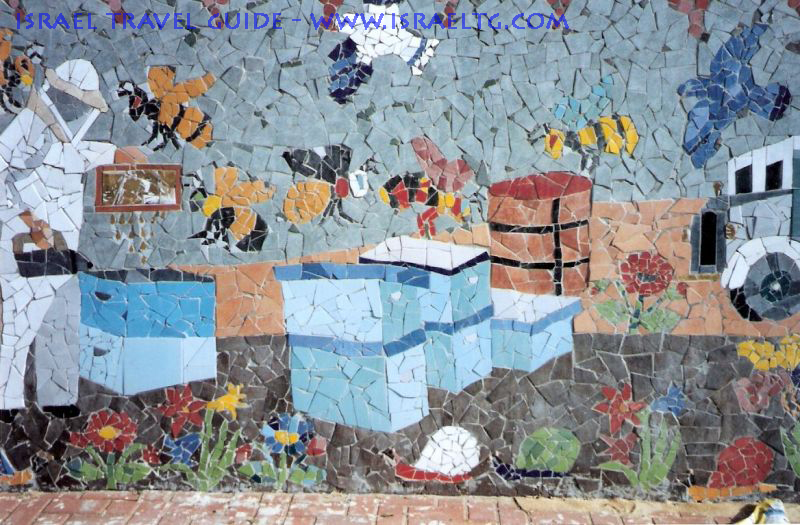
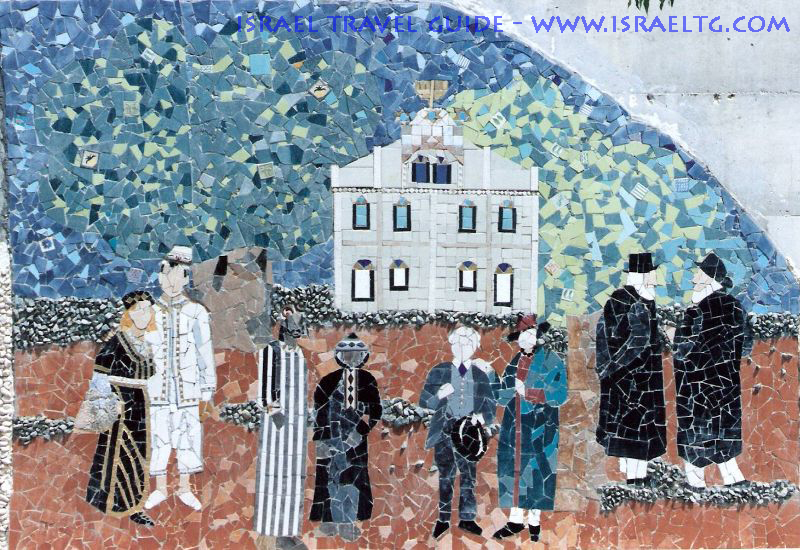
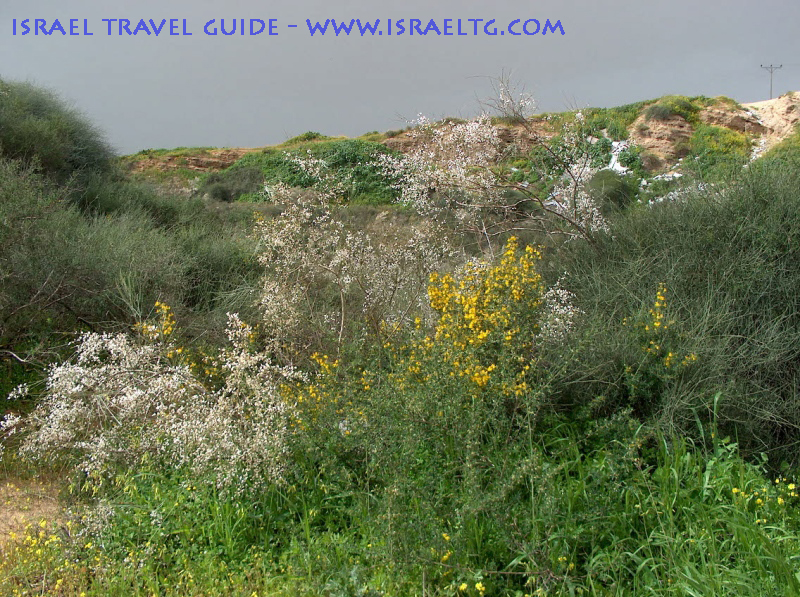
The Israeli flag, with its sign of the Star of David was first raised around 120 years ago, at the moshava Ness Ziona. It was carried by the leader of the workers Michael Halperin, who arrived at the moshava astride a white horse and called the settlers to follow him in a parade to raise the flag that was later chosen as Israel's official flag These days, the State of Israel celebrates 60 years of independence, and this year the city of Ness Ziona celebrates 125 year since it was founded. These are two good reasons to come to the city, founded as a pioneer moshava at the end of the 19th century, to learn about its fascinating past and go through the path of the flag that crosses the city and offers a few more impressive sites, including the mosaic wall that tells the history of Jewish settlement and the history of the State of Israel, and the gravel hills path at the north western part of the city. A Golden Star of David The first house in Ness Ziona was built by Reuven Lerer in 1882 on the banks of Wadi Hanin. Two years later, Lerer built a mansion for his family, calling it "Reuven's Estate". Over the years, a few more families joined "Reuven's Estate", and at the middle of the 1880s, the first worker neighborhood was built nearby. One of the prominent activists in realizing the dream of workers settling the place was Michael Halperin. He called the place "Ness Ziona", and in 1891, when there was a tree-planting ceremony in the moshava, he led a procession, riding a white horse and holding a blue and white flag, at the center of which was a golden Star of David. This was the first time the flag, which was later chosen as Israel's official flag, was raised. Since then, Ness Ziona has grown and developed immensely, but the work of the first settlers was not forgotten. To commemorate those days, the city municipality has built a special path that gives a peak into the city's past. The Path of the Flag The path starts at Kikar HaMeyasdim (The Founders Square) at Emek HaShoshanim Street, and continues to the junction between Tel Aviv Street and Rothschild Street. Here, one can see a series of buildings that were preserved in all their beauty from the early days of the moshava. Down Tel Aviv Street stands the big Synagogue, and besides it Beit HaRishonim (house of the first pioneers), which serves as a museum for displays of the early years. After visiting the museum and watching an audio-visual display, it is recommended to follow the paved path leading to Givat HaAhava (the hill of love), where countless romantic stories begun. The hill also gives a view of the western parts of the city. Nearby, in the HaMinyan HarRshon Street, is Israel's first beehive, owned by the Feldman family, where one can be acquainted with the history of Israel's honey industry. At the junction between that same street and the Emek HaShoshanim Street are the remains of the first workers' neighborhood built by Michael Halperin. After visiting these two sites, return to the HaMinyan HaRishon Street and head south until the junction with Rabin Road. Near the junction are the first houses of the Lerer family, and next to them is the "site of the flag", commemorating the day Israel's flag was first raised. Looking south gives a view of the Lerer family mansion built on the banks of Wadi Hanin, which is currently used as a site for mass events. The Mosaic Wall The story of Ness Ziona is also commemorated on a spectacular mosaic wall, located at the north eastern edge of the moshava. The wall was built next to Margolin Street at the "Givat HaTsabar" neighborhood. In 12 pictures, the mosaics describe the story of the moshava and the history of the State of Israel. Here, all the sites seen through the path of the flag can be seen, including the big synagogue, the site where the flag was raised, the story of immigration into Israel, pictures from the time of the British mandate, Jewish guards, Palmach men, pioneers dancing the Hora dance, different branches of agriculture such as orchard growing and beehive-keeping, which characterized Ness Ziona from its early days through today, a caravan of camels carrying fruits, shepherds, children playing, Irises in flower, pictures from the artistic life and even a game of soccer (English football). The mosaic wall was built by artist Yael Portugaz as part of a community project done with the participation of schoolchildren in the city. It is made entirely of recyclable materials, and is a national tourism jewel. The Gravel Hills Path Another path, located near the city's western border, is the gravel hills path. Part of it is already paved, while the rest will be paved shortly. This path passes through a beautiful nature reserve, preserving the remains of the lowland's gravel hills. Here, one can observe the unique plant life, especially the clusters of dark-purple Irises, which are at the peak of their bloom in February-March of each year. Along the path grow brooms, and a spring flowering rises in each direction with an abundance of colors. The city of Ness Ziona is only around half an hour away from Tel Aviv. A tour of its interesting sites is an introduction to one of the interesting chapters in the history of Zionism in Israel. From here, one can also go and visit additional interesting sites such as the "Ayalon Institute Museum" in Givat HaKibbutzim in nearby Rehovot, and the Citrus Orchard Growing Museum which brings the story of the citrus orchard growing agricultural branch in Israel.
|
|