|
The Door to Paradise |
|
|
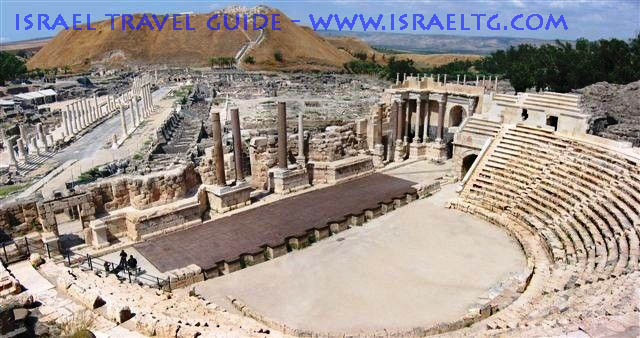
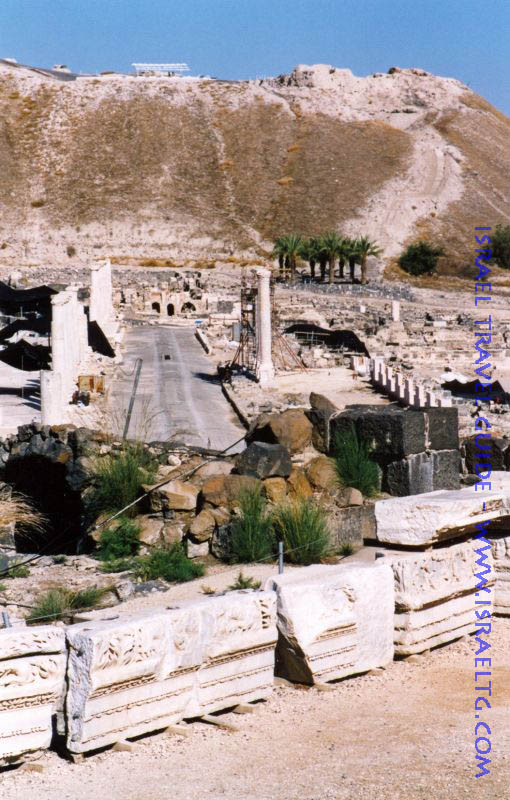
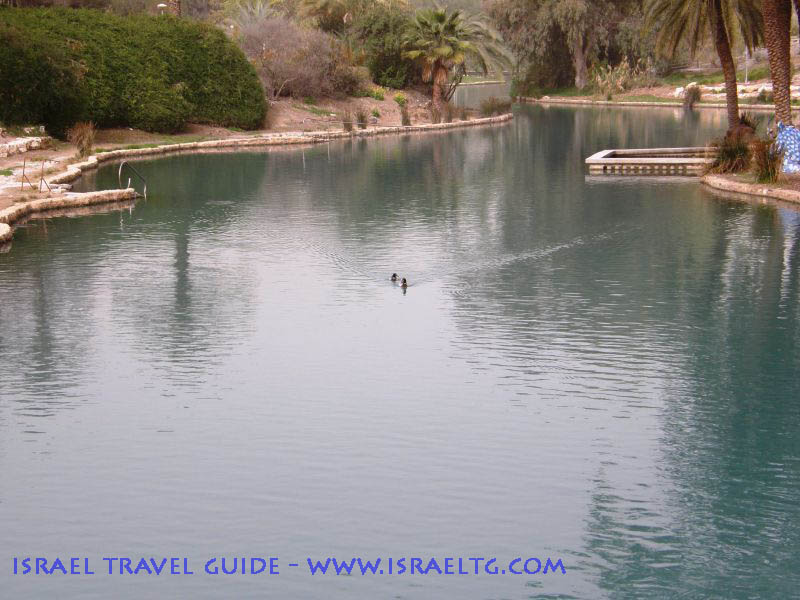
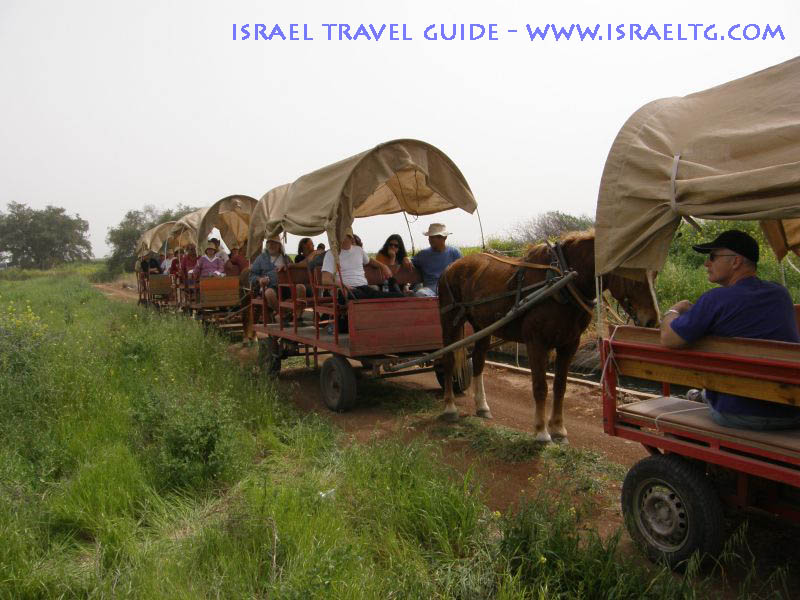
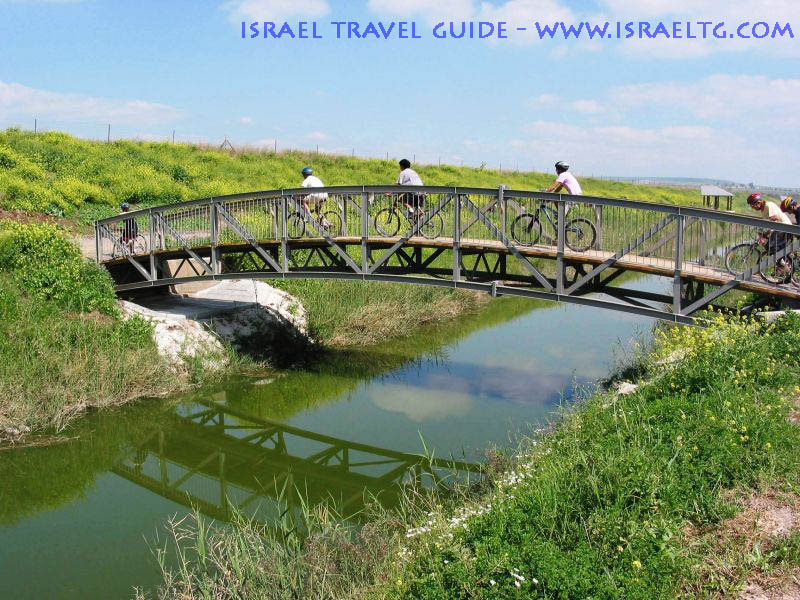
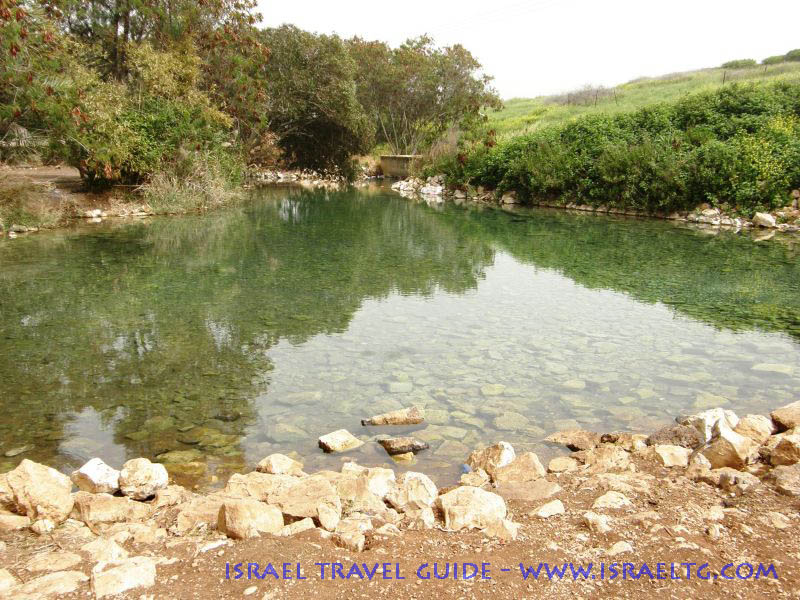
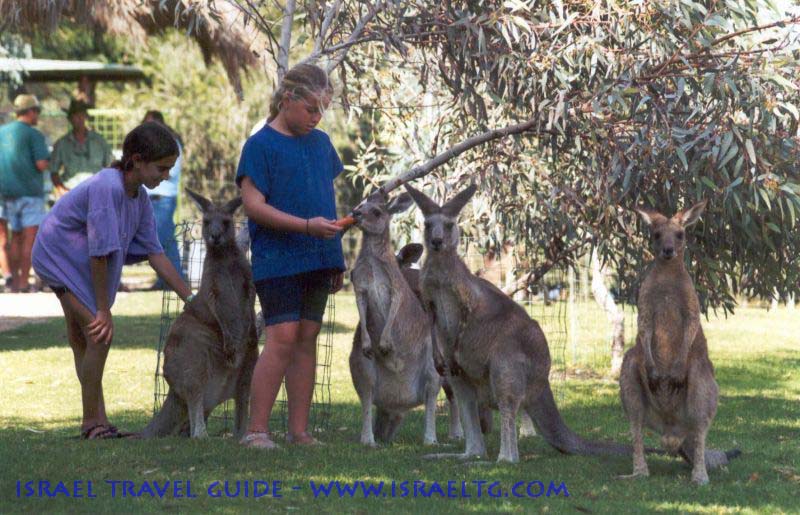
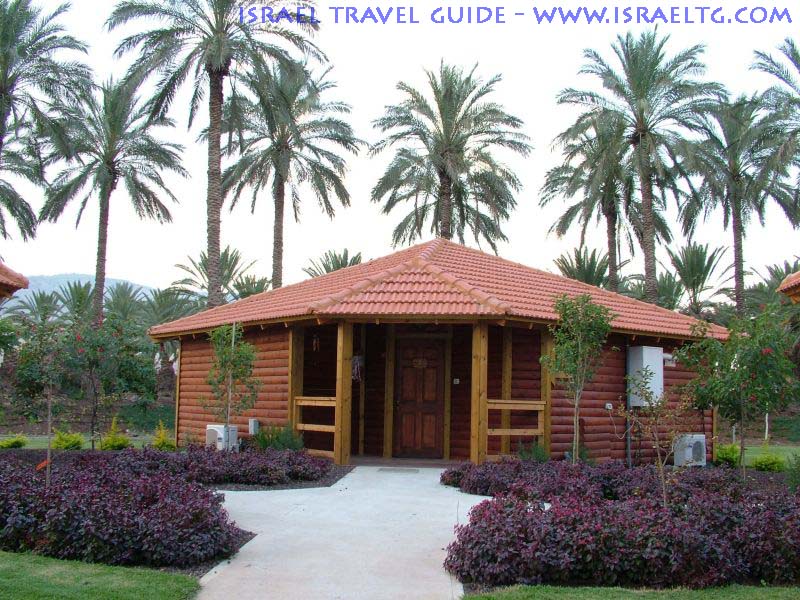
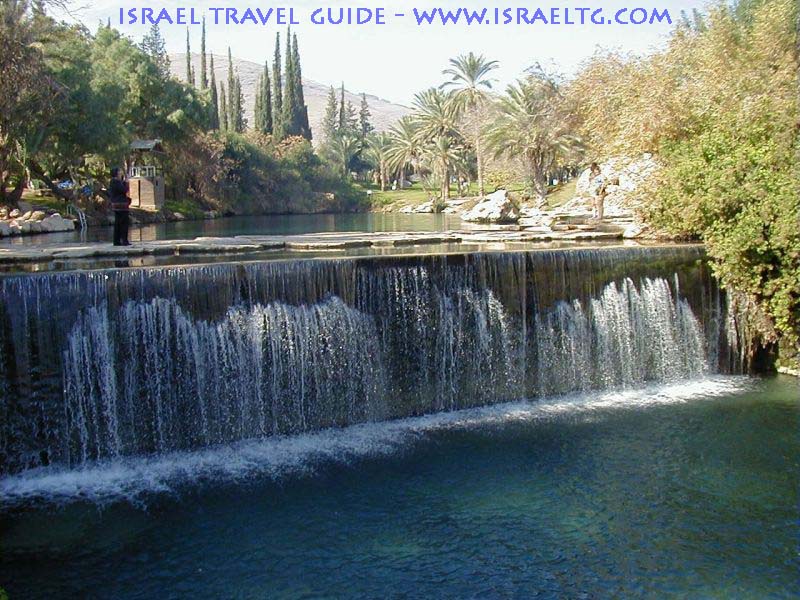
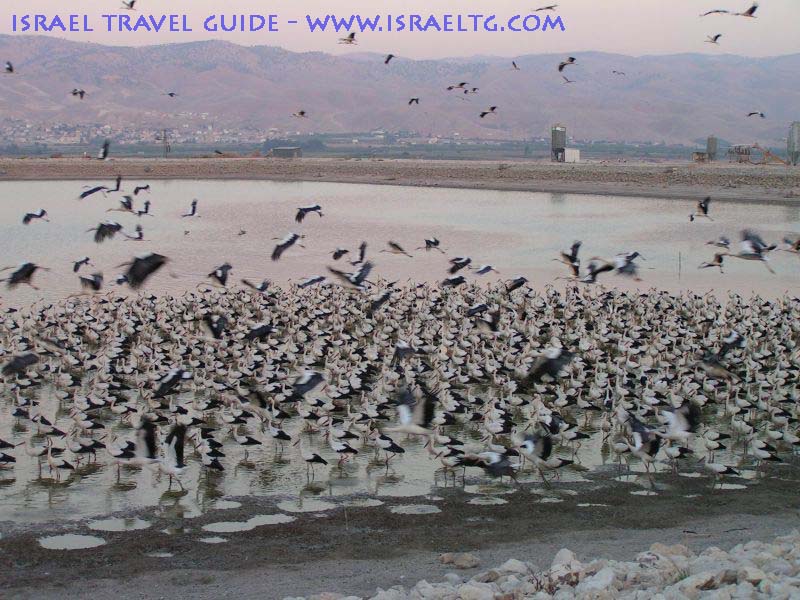
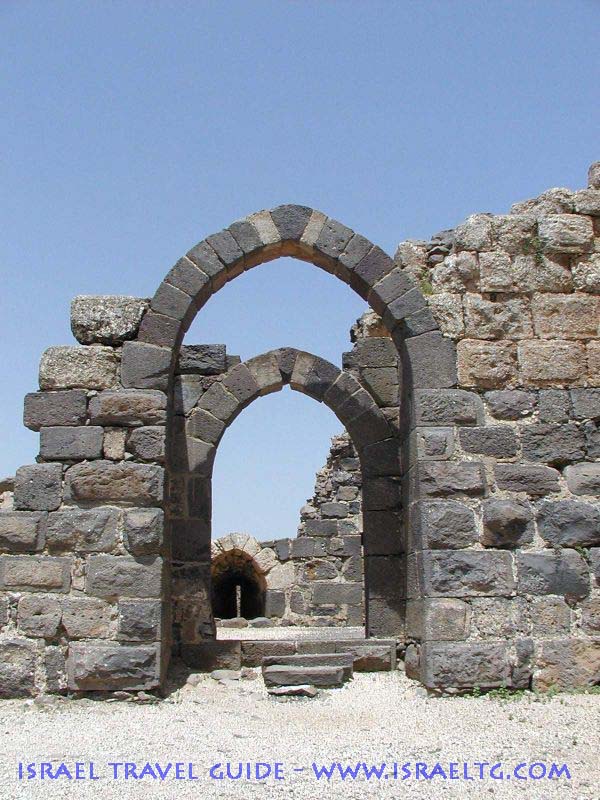
The city of Beit She'an is one of the earliest cities in Israel and one of those that offer the tourists an abundance of incredible findings from ancient eras. The Roman Theater, which was built in the second century AD and discovered nearly 50 years ago, is the most preserved Roman theater in Israel. The entire area is abundant with springs, next to which many tourist sites have opened "If the paradise is situated in Palestine, Beth-Shean is the door" this is how Resh Lakish, one of the important Tannaim (Rabbinic sages) in the third century AD described Beit She'an. This description, as well as other sources, indicate the importance of the city in ancient times, mainly at the peak of its prosperity during the Roman Byzantine period. The abundance of water in the Beit She'an region, the fertile land and successful crops, as well as the city' geographic location on a road junction that connects the sea and the Jordan River brought it to become one of the most important cities in the ancient world. Starting at the fifth millennium BC and for over 7,000 years, the city, carrying the name of the god Shen, was the focus of control struggles between many peoples. The Assyrians, Egyptians, Greek, Romans, Arabs and others ruled this city, and many armies passed through it. Saul and his Sons on the City Walls Beit She'an was one of the only cities in the north that was no conquered by the tribes of Israel when they conquered the country. In the days of Kings Saul and David, it was under the control of the Ammonites and the Philistines, and fierce battles took place in an attempt to conquer it. The city is mentioned several times in the Bible (the Old Testament), for example when the bodies of King Saul and his sons were hung on its walls after the defeat by the Philistines at the Gilboa. The people of Jabesh Gilead did the king a kindness by taking the bodies down at night and brought them to be buried in a Jewish burial (1 Samuel 31). In 749 AD the city was completely destroyed in an earthquake, but uncovering the remains at the site enables visitors to encounter remains from the Canaanite period, including the reconstructed house of the ruler of the city, a glimpse to the time of King Saul and familiarization with the culture brought to the city by Alexander the Great. During the Hellenistic period, the city was called "Scythopolis" following the story of Dionysus, the god of wine, who buried his nursemaid in the city and tried to settle his Scythian close associates there. During the excavations, the remains of a Dionysus sculpture were uncovered, indicating that worshipping Dionysus was a common custom in the city. The Hasmoneans that conquered the city at the end of the second century BC settled Jews in the city and returned its name to Beit She'an. After the Roman conquest of 63 BC, the city became one of the most important cities in northern Israel. The city, which was again known as Scythopolis, became much stronger and was inhabited by different peoples including Jews, Samaritans and pagans. The remains of the Roman-Byzantine period uncovered testify to the city's strength at that time. Incredible Archeological Findings In the 1920s, the first excavations were made in the city. Since, much work and many reconstructions were made, which turned the site into the focus of interest and a destination for many tourists. Visitors to the Beit She'an National Park and to the ruins found nearby are exposed to incredible archeological treasures which still remain standing or partially standing, including the most preserved Roman theater in Israel, impressive public bath houses, decorated pillars, mosaic floors which remain with their natural colors, temples and splendid structures. The theater, uncovered in the 1960s, was built during the second century AD, and stands at a height of 23 meters, built on three stories of pillars. The audience was seated in three blocks that contained 7,000 seats, and across stood a stage for drama performances. At the front of the stage was an orchestra in which musicians played. Remains of a theater dated to the first century AD were also uncovered at the site. West of the theater is a Byzantine public bath house, the largest of its kind to be discovered in Israel. Around the bath house, rooms for treatments and pleasure were built, and on its south side, there was a plaza which was used for social gatherings. On both sides of the bath house, remains of pools used by the city's wealthy people for washing and wading were found. It seems to have been a sort of Byzantine "country club". Not far from here, another Roman bath house was uncovered, which was probably large in size. Worship Rituals to the God of Wine During excavations, two main streets were uncovered in the city. In one of them, the remains of a basalt-paved Cardo (a street of shops) with two rows of pillars flanking it were found. East of the National Park, the remains of an amphitheater were discovered. This amphitheater was used in Roman times for gladiator fights, a performance that was stopped after Christianity was declared the Roman Empire's official religion. On the second street, a "Nympheon" - a fancy water - and next to it, a large temple were both found. At the temple plaza was a pillar with an inscription that tells of Dionysus the god of wine, as well as the remains of altars which were used for different rituals. The Beit She'an Mound that commands the views of the National Park rises to a height of 50 meters and contains 20 layers, including the city's Biblical period. From the top of the mound, the truncated Roman Bridge, built over the Harod River, can be seen. In this area, a wide-spanning park has recently opened, containing bicycle paths, resting areas and hiking routes. The Valley of the Springs In recent years, prosperous tourism has developed around the city of Beit She'an. Resorts were built and paths for bicycles, motorized vehicles and even for horse-drawn carts were paved. The Gilboa Mountain scenic road can be traveled in safety, with stops along the beautiful lookouts along this road, or for hikes along other scenic roads such as the Tavor River scenic road, which gives tourists a glimpse of unique water views and stops along convenient parking lots. At the northern end of the valley are the Yissachar hills scenic road with its abundance of parking lots and lookouts. The area offers an abundance of attractions such as the bird watching center in Kfar Rupin, the "Gan Guru" Australian park in Kibbutz Nir David, Bio-Tour in Sde Eliyahu, the tourist site at the Old Gesher Kibbutz and others. These and other activities are based on the area's unique nature. Within the borders of the Beit She'an Valley are around 30 gurgling springs, many of which are open for visitors free of charge. In this list of springs are Breichat haKibbutzim (the Kibbuzim's Pool), Ein Moda, Ein Shokek and Ein Tzemed. In addition, three large and well-organized water sites are available for visitors, such as the Huga Gardens camping site, the Amal River in Nir David, available to gusts of the "Wooden Chalet in the Valley" in Nir David and the Gan Hashlosha spring, located at the border of one of the most famous national parks in the area. To this list, the Belvoir Fortress National Park and the Gilboa Iris Reserve can be added. The Gilboa Iris (Iris haynei) is a rare and unique flower, which flowers in full bloom these very days. To watch a video of the Beit She'an Valley and the Valley of Springs:
|
|