|
To the Days of Rosh Pina's Early Days |
|
|
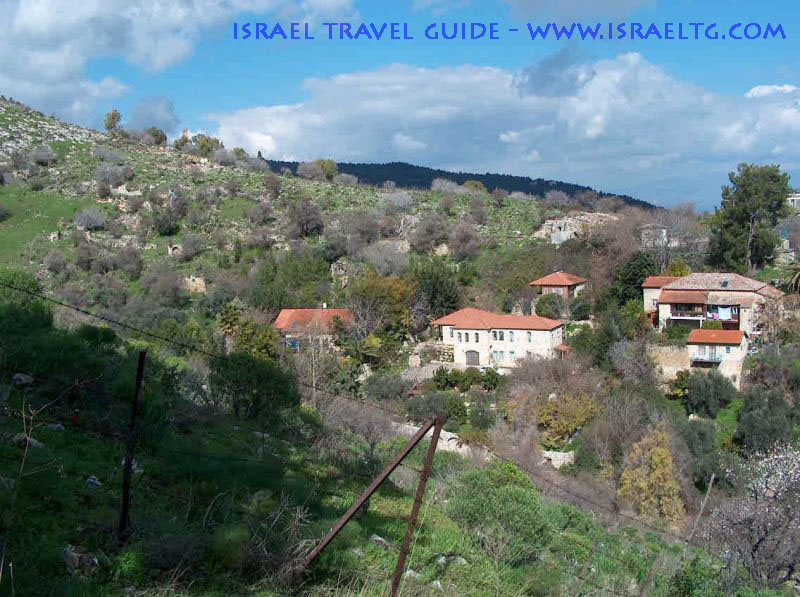
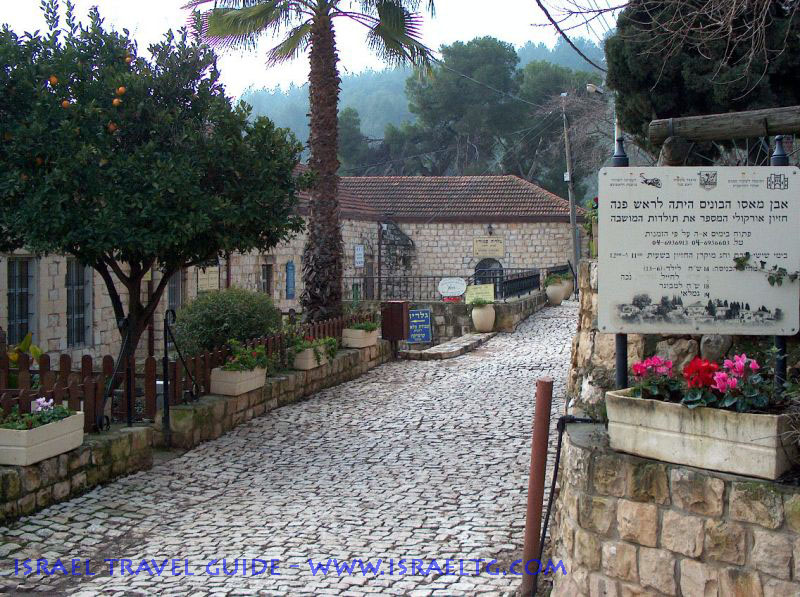
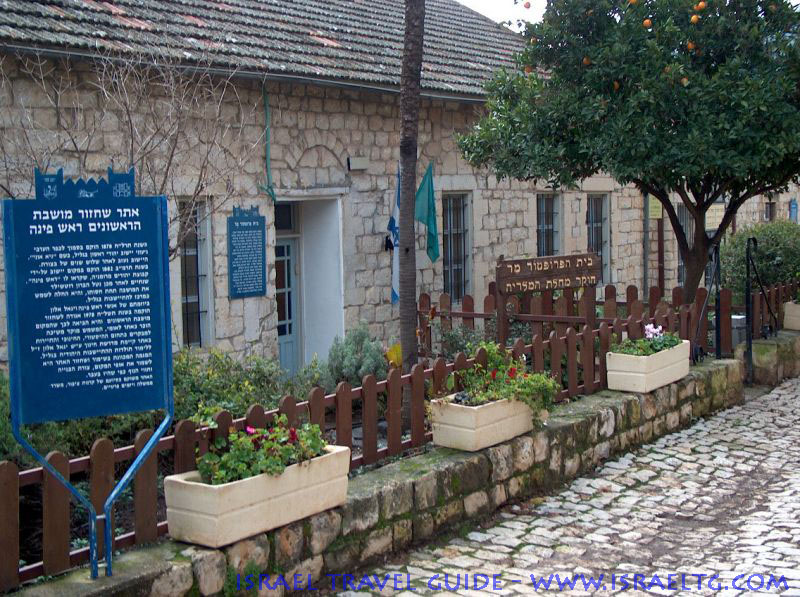
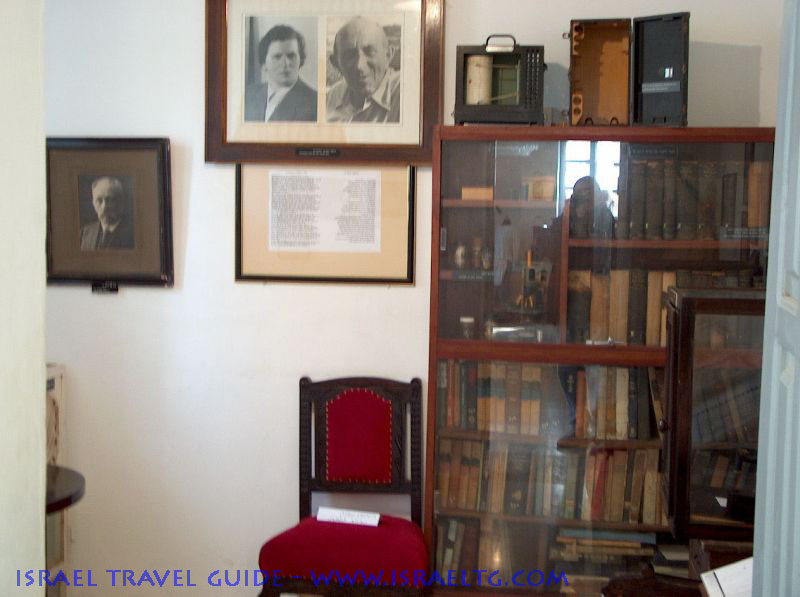
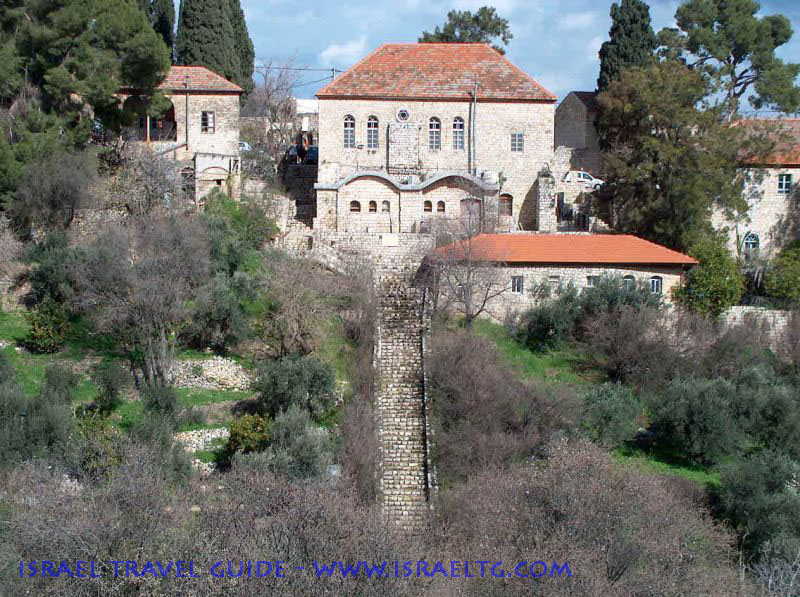
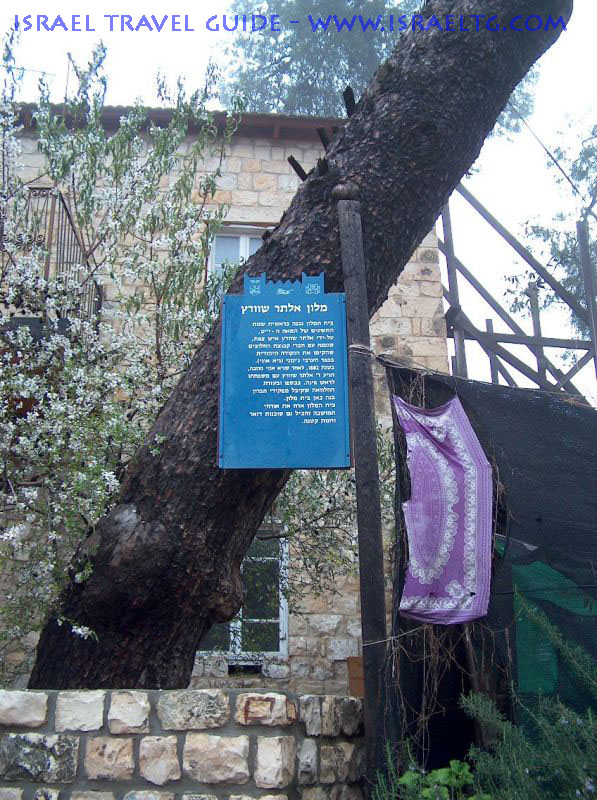
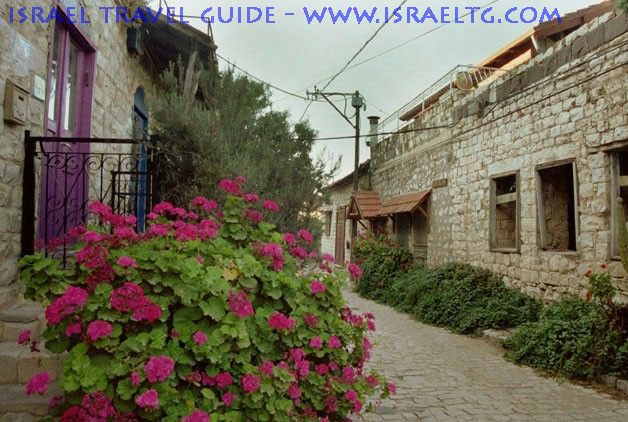
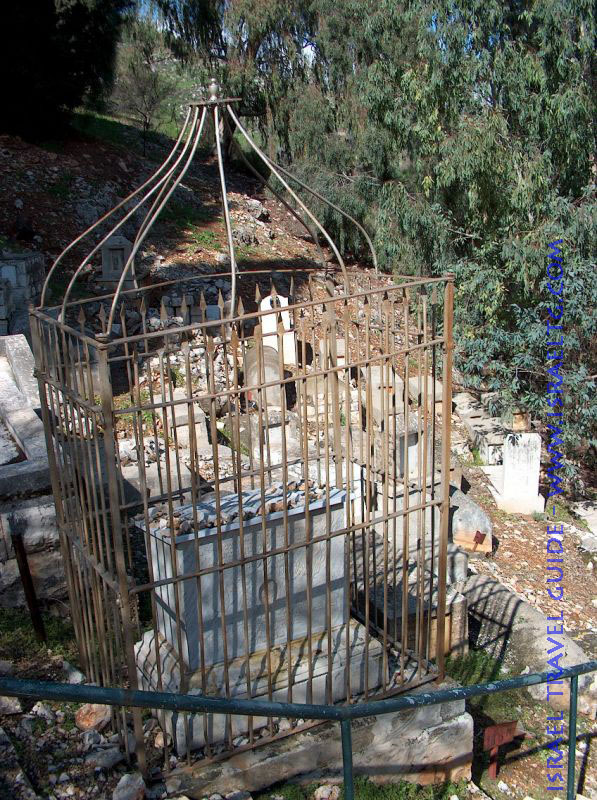
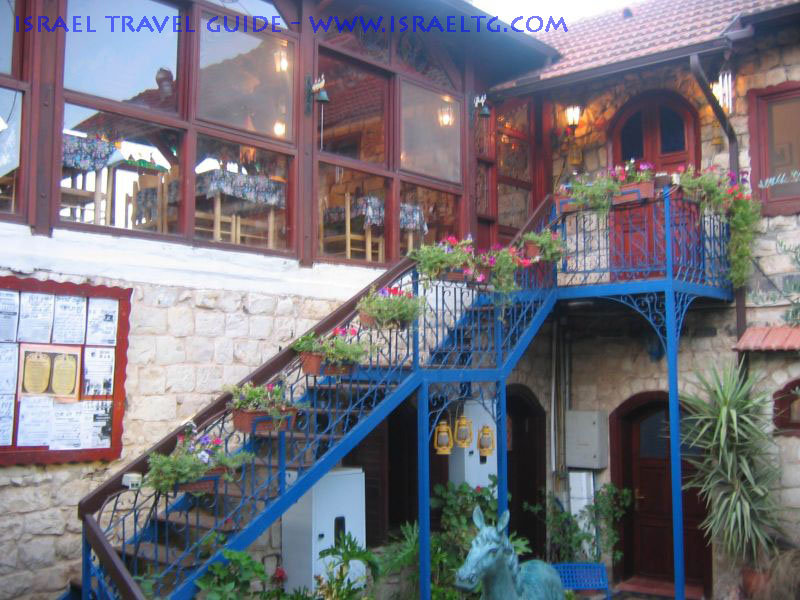
Rosh Pina is a tourist center for both tourists from abroad and Israeli ones. This picturesque Moshava's (a settlement consisting of privately owned farms), offers visitors a tour of a street reconstructed from its early days, a film showing the lives of the first settlers and the tales of the founding families of the Moshava's. The first settlers arrived in the Moshava's in 1878. These were 17 families that came from Safed in order to build their home near the Arab village of Jaoni and to live the lives of farmers on the slopes that overlook the Hula Valley. For four years, they struggled through difficult weather and with the rocky terrain, with no knowledge of farming and very little money. After about 4 years of trying the hard work and with many failures, only three families remained. It seemed as if the place was about to be abandoned. A few months after the families left, Rabbi Moshe David Iancovici, a representative of the Jews of Moineşti in Romania, came there in order to find a place to found an agricultural settlement for a group of pioneers that intended to immigrate to Israel from Romania. He was very impressed with the views and the weather, which reminded him of his own city in Romania, and quickly sent a letter to the people of the Moineşti community. He wrote of the water flowing in the river, of the view of the snow at the top of the Hermon Mountain and of the good farming soil. The letter did its job, and the group prepared for their immigration to Israel. When they reached Israel, they were welcomed by a dry and scalding hot summer. They were very disappointed, but did not alter their plans. They named the place Rosh Pina, meaning cornerstone, after psalm 118:22: "The stone which the builders refused is become the head stone of the corner." They built the stone houses close to each other along the ridge north of the river and declared themselves the founders of the Moshava's. As far as they were concerned, the attempt 4 years before them did not exist. The House of Dignitaries We will begin our tour of the reconstructed street in the House of Dignitaries. This house was built in 1883 by Baron Edmond de Rothschild. The Baron first visited Rosh Pina a year after the Rumanians settled and decided to take the Moshava's under his wings. He purchased land and on it he built public houses and homes for the administrators that came from France to manage the place. Among the French were administrators and agronomists, who have been living luxuriously in Europe during those times, and suddenly had to face the hardships of the new settlements in Israel. On the slope next to the House of Dignitaries, a fancy garden was built, and was used by the families of the administrators only. The farmers were forbidden from entering this garden. The design of its paths was inspired by the gardens of Versailles by designer Jill De Ha. It is built like a menorah (a branched candelabrum), at the base of which there is a fountain. In the center of the menorah there are stairs, from which the paths, symbolizing the branches of the candelabrum. Today, the House of Dignitaries is used as part of the visitors' center of the reconstruction site, and the gardens still preserve some of the glamour from the days of the Baron's patronage. Gideon Mer Fights Malaria Adjacent to the House of Dignitaries is the house that was used by Malaria researcher Gideon Mer and his wide Zina. The laboratory was established in 1929 as part of the efforts to find a solution for malaria, which inflicted the settlers and killed some of them. The deaths of the farmers encouraged the British authorities which governed Israel at the time to find a solution to this illness. They offered Gideon Mer, then a medical officer in Her Majesty's army to settle in one of the two houses of dignitaries and to set up a laboratory for the study of malaria. Professor Mer's research was a breakthrough in the eradication of malaria in other places in the world as well. Today, Professor Gideon Mer's reconstructed laboratory can be seen in the visitors' center, next to a hall in which a movie of the Moshava's first days is screened. The Silk Industry Further along the path, tourists pass by several mulberry trees, the last remnants of the mulberry orchards from the early days of settlement in Rosh Pina. Baron Edmond de Rothschild made sure the settlers had work, which enabled them to earn a living. For this purpose, he brought experts in several professions. One of these experts was the Hasbani family, brought especially from the town of Hasbaya in Lebanon to teach the people of Rosh Pina how to raise silkworms. A building currently used as the Moshava's community center, a spinning mill was set up. Near the houses of the settlers, mulberry trees were planted in order to feed the caterpillars. The Rosh Pina silk industry didn't last long. Most of the mulberry trees were cut down by the Turkish army during the First World War, but the few that remain in the reconstructed street bring visitors back to the stories of days past. The First Hebrew School A few paces away stands the first Hebrew school of the new settlement era in Israel. Here, teachers Yitzhak Epstein and Chaim Vilkomitz educated the children of the Moshava's, and it was here that Hebrew became the basis for all the children's' education. Until the school was built by Baron de Rothschild, children were taught in a religious Heder, and the transition into the new teaching system raised many arguments throughout Israel. Chaim Vilkomitz's house stands across the remnants of the Schwartz Hotel, which today hosts galleries for different types of art. Further along, Rosh Pina's old synagogue can be seen. It is still used by the residents of Rosh Pina today. The synagogue, which was built by the Baron further down the street, is an impressive building. Its beauty can also be seen from the southern side overlooking the Rosh Pina River. From this place, one can descent to the creek through dozens of steeps stairs and continue along the path that leads towards the new neighborhoods of the Moshava's, or climb up to the cemetery that tells the story of Rosh Pina's generations. In some of the Moshava's reconstructed buildings one can find lodging and different styles of restaurants. Occasionally, Rosh Pina hosts performances and musical events. Rosh Pina is also a starting point for hikes, site seeing tours and attractions throughout the Upper Galilee. For a video of the tour of Rosh Pina:
|
|