|
Winter Hikes in Northern Israel |
|
|
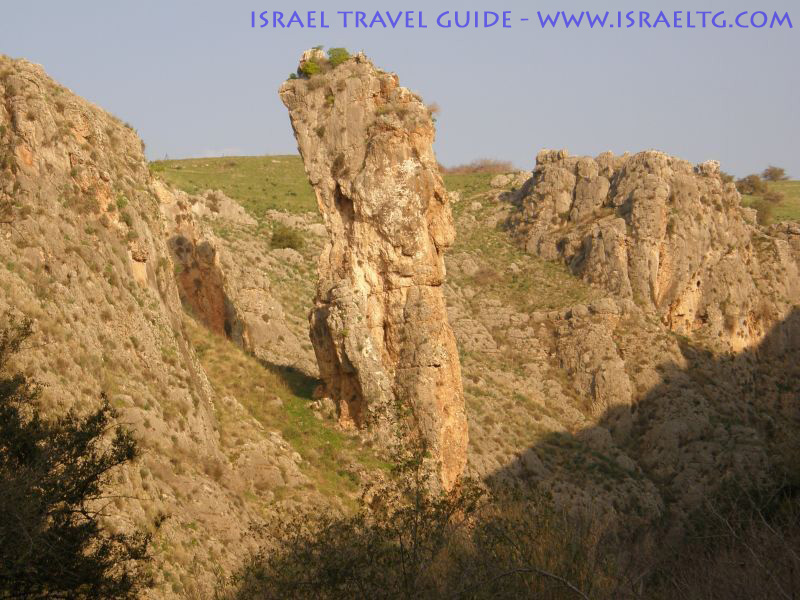
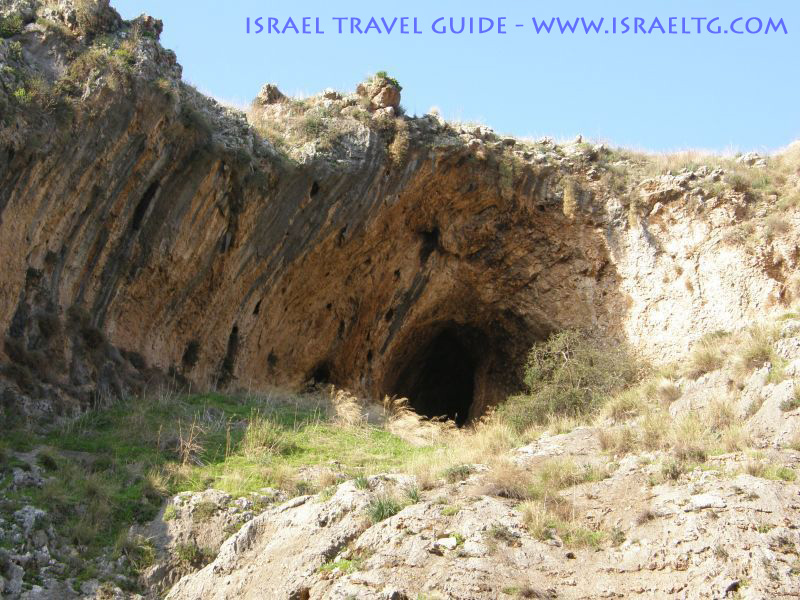
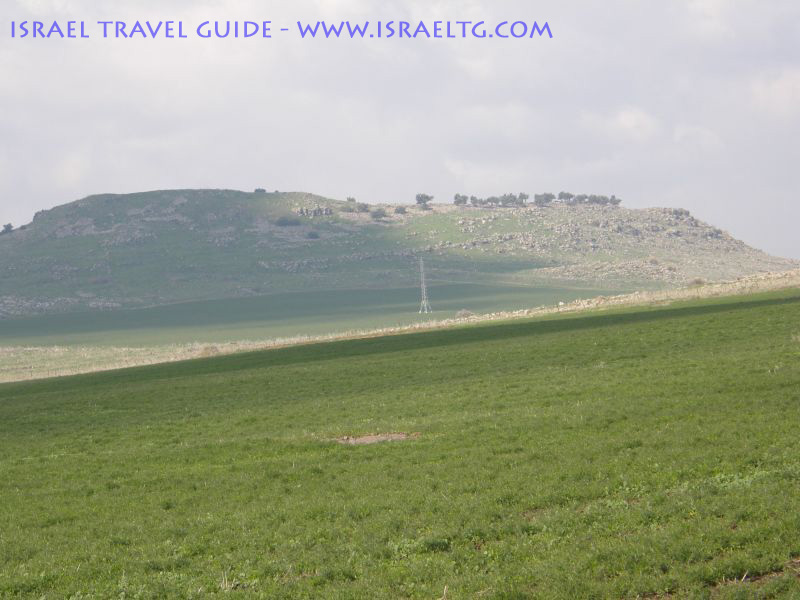
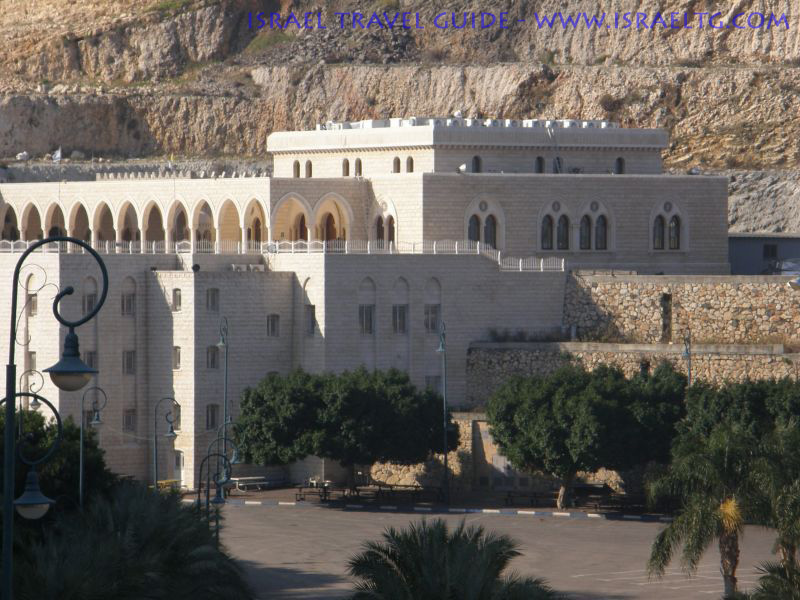
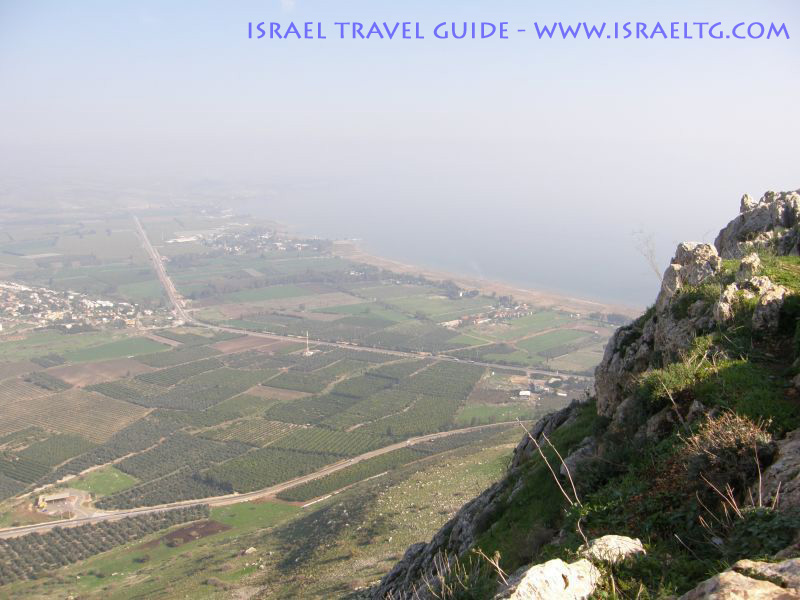
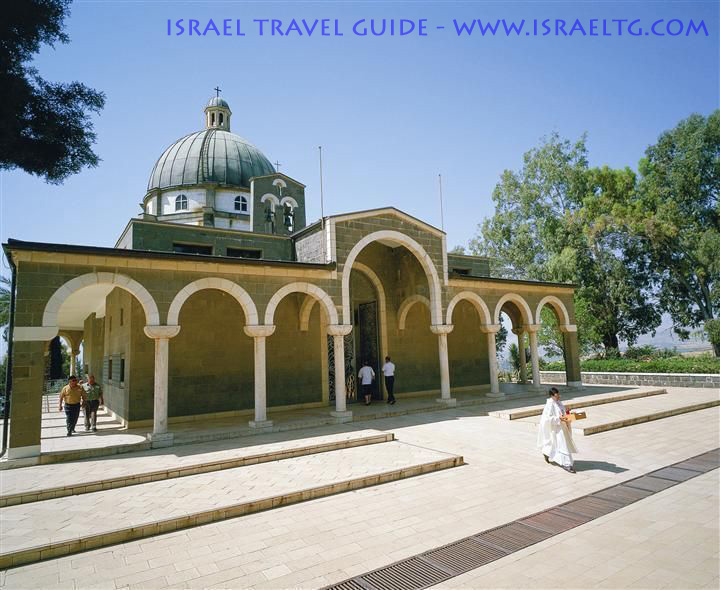
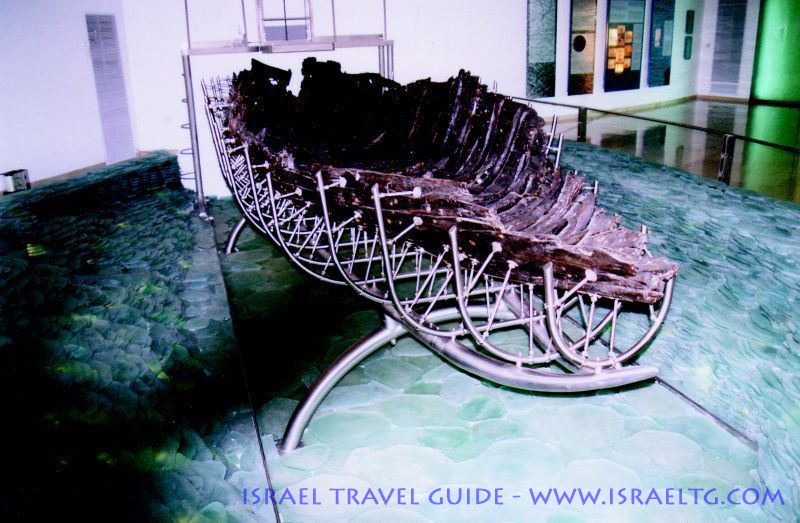
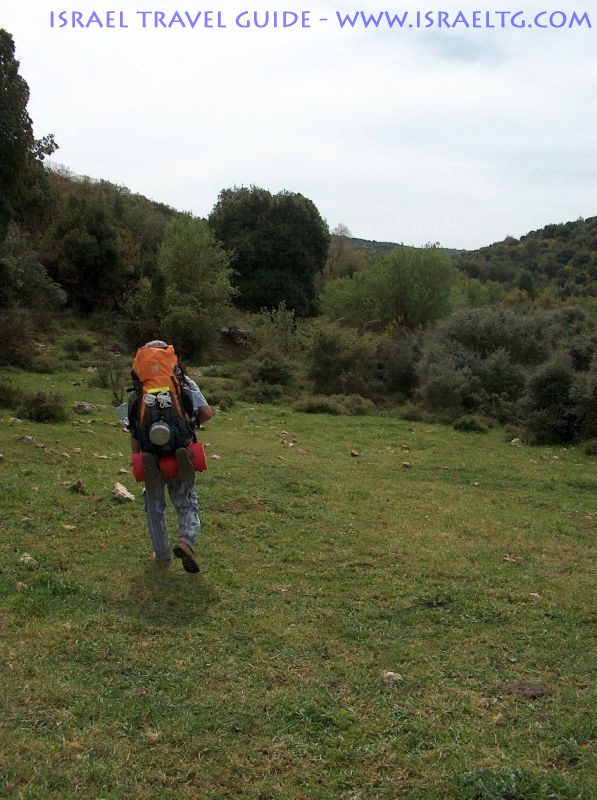
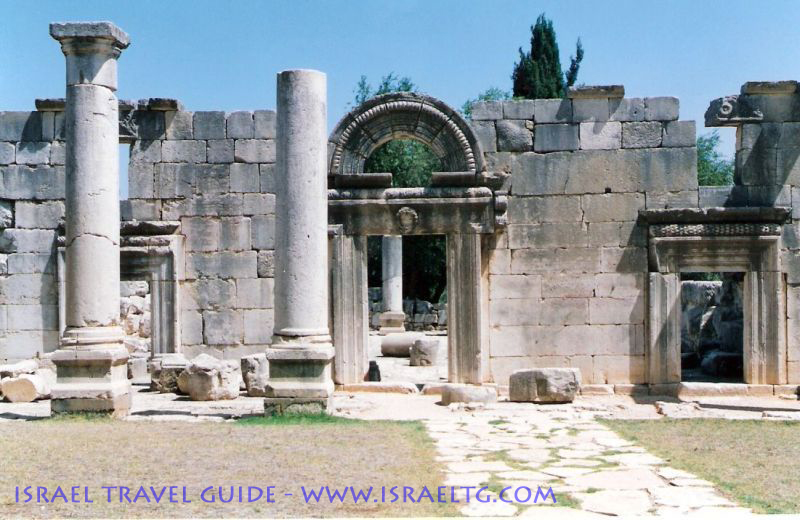
Israel's winter enables hikes in a unique atmosphere. In this issue we bring the Society for the Protection of Nature in Israel's recommendations for a series of winter hikes in Northern Israel. From the "Horns of Hattin" to Nabi Shoaib Karney Hittin, the "Horns of Hattin" in the Lower Galilee (near Tiberius) is an inactive volcano, overlooking the Galilee and the Sea of Galilee. This place held one of the most important battles in the history of Israel, where Saladin's army defeated the Crusaders. Nabi Shoaib is the holiest place for the Druze in Israel. According to their faith, this is where Nabi Shoaib - the Biblical Jethro, who is Moses' father in law. Between April 25th and 28th, the Druze celebrate Nabi Shoaib's holiday, filling the site with masses of people celebrating the holiday. Along the path there are charming views, olive groves, basalt rocks and an abundance of blooming flowers. Hike along this path is easy or moderately difficult, and there is a need for a waiting car at the end of the hike. It is approximately 2 km long, and the best times to take it is during January through April, but not after rainy days. The place can be reached via route 77 from the Golani Junction to Tiberius. Near the 74th km, turn to a dirt path marked in blue to the north of the road (the path is marked with signs to Karney Hittin). Follow this road for about 2 km until you reach the starting point for the hike. At the end of the road marked in blue there is a parking lot, where the hike, also marked in blue, begins. Later on, the path leads to Karney Hittin, a mountain that is the remnant of a volcanic eruption. From here, the path descends towards a boulevard of olive trees, from where there are beautiful views of the Galilee, the Golan Heights and the Sea of Galilee. Later on, the impressive building of Nabi Shoaib's tomb is revealed. Visiting this place requires one to wear a modest attire. The car we left there before the hike is waiting for us in Nabi Shoaib's parking lot. From here, it's recommended to continue to an observation point at the top of the Arbel Mountain, overlooking the Sea of Galilee, the Galilee and the Golan Heights. Entrance to the site is through road number 7717 which connects Nabi Shoaib and Tiberius. From this road, turn to Moshav Arbel and follow the signs to the observation post. Near the "Orcha" donkey farm, park the car and hike for 1.5 km to the lonely tree at the top of the cliff. From here, make your way back to the main road from Tiberius to Golani Junction and go to the place you left the car at the beginning of the hike. The Lower Amud River The Amud (pillar) River in the Lower Galilee starts at the Meron Mountain and flows into the Sea of Galilee. There are springs at the upper part of the river, where water flows throughout the year. At the lower part of the river, not far from Kibbutz Hokuk, is an impressive stone pillar which gives the river its name. Water flows in this part of the river only during the winter and in early spring. The path at the lower part of the river meanders at the feet of cliffs in which there are caves and caverns. Some of them were used as dwellings by prehistoric men. Many birds, including vultures, nest on the cliffs. The short 1km path is easy. It's starting point it on the side of the road that leads to Kibbutz Hokuk. This road branches off from road number 90 on the western side of the Sea of Galilee, between Kibbutz Ginosar and the Capernaum junction. The path leads northwards into the river, and after about half a km you will reach the stone pillar. You can visit the cave next to the pillar, watch the nesting birds on the cliffs and enjoy the blossoming flowers in the river. Afterwards, go back on the same path to the starting point. Fit walkers can go down to this part of the river from where the Amud River crosses the road between Acre and the Amiad junction. This is a moderately difficult 8 km long path, which requires one to leave a car at the end point near the Hokuk junction. At the end of the hike, you can visit Church of the Fish and Loves in nearby Tabgha, an ancient synagogue in Capernaum and the Church of the Mount of Beatitudes on the northern part of the Sea of Galilee. Not far from there is also Beit Yigal Alon in Kibbutz Ginosar, with displays on human life in the Galilee and a model of the ancient boat, dated to the time of the Second Temple and more commonly referred to as "Jesus' Boat". To the Mysteries of the Baram Forest The Baram Forest at the heights of the Galilee spans 1,000 dunam, and is renowned for its exceptionally large and dense trees. It is a fairytale forest. Its oaks have grown into an impressive size thanks to the Maronite Church's strictness, protecting the trees from excessive cutting and from increased grazing for many years. When Israel was founded, the forest was declared a nature reserve, and it is one of few forests in Israel that still preserve the full strength of Israel's natural forests. Hikes in the forest are easy to moderately difficult, at a length of about 4 km. This circular path goes under the thick treetops. The starting point can be reached from road number 899 from Nahariya or from the Meron Junction to Hiram Junction, located by Kibbutz Sasa. When approaching from the north, the forest can be reached from the Coah Junction. The path's starting point is located approximately one kilometer south of the Baram National Park. Walking through the forest, visitors encounter different species of oaks, pistacias, storax trees and other species that are common to the Mediterranean groves. Climbing onto the trees are different plants, trying to reach the sunlight. Standing out among them is the ivy, with its heart-shaped leaves. At wintertime, different species of fungi grow between the rocks, some of which are brightly colored in red, yellow and purple. Some of the mushrooms are extremely poisonous, therefore do not pick them without permission from a guide that has thorough knowledge of the different species. After a 300 meter climb through the Zibeon River, you will reach a clearing. After an additional 300 meters the path splits. Turn right at this intersection, to the path marked in black. Follow it all the way to a dirt path that turns east, back to the blue road where you left the car. After the hike, you can visit the Baram ancient synagogue in the nearby National Park. This is a magnificent remnant of the Jewish life in the Galilee during the periods of the Mishnah and the Talmud. There is an entry fee (phone number 04-6989301).
|
|